
Designing for Aging in Place: Home Renovations That Grow With You
Friday, August 7, 2026
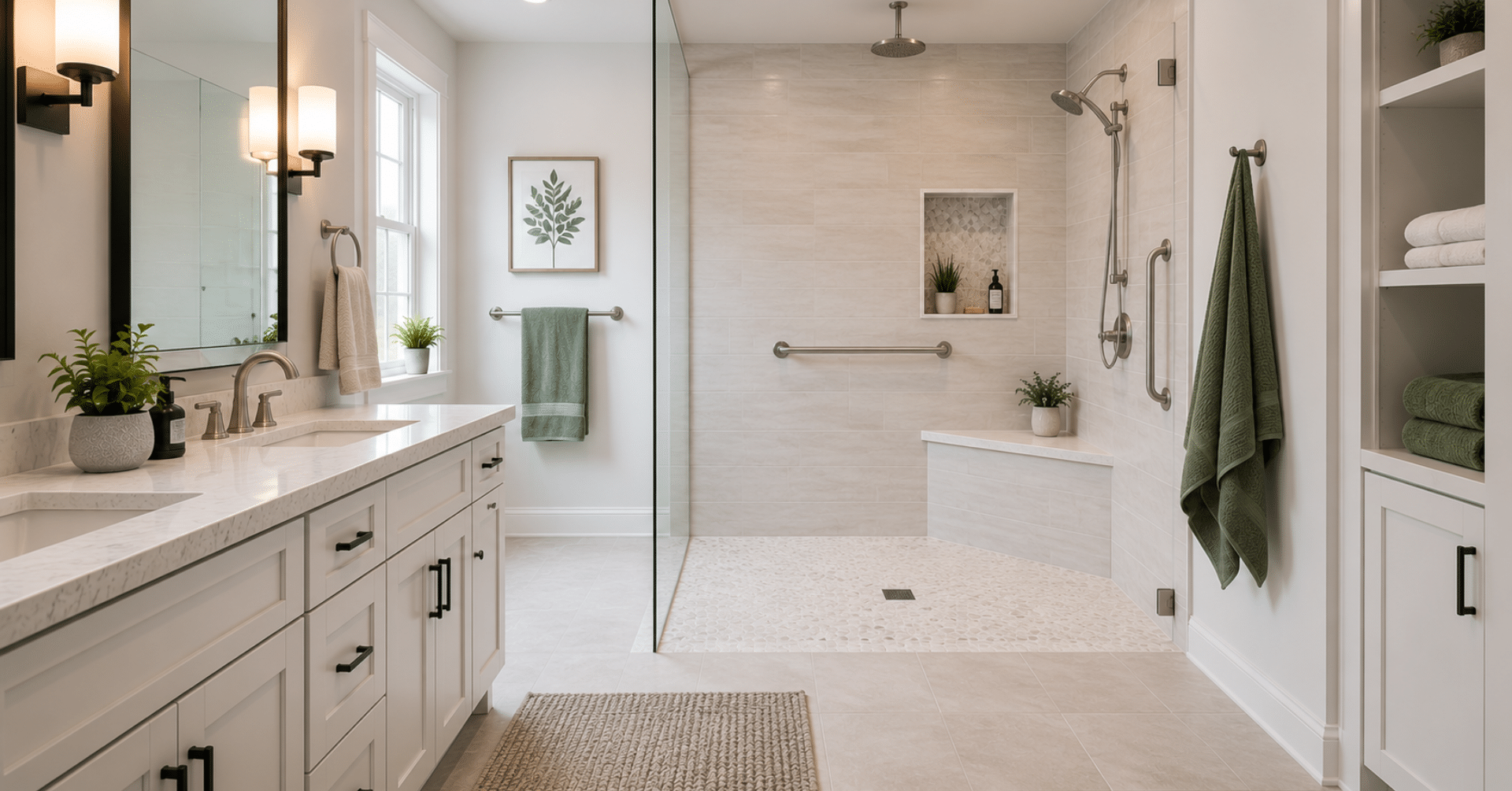
Most people want to stay in their homes as long as possible. It’s familiar, comfortable, and filled with memories. But as needs change over time, the way a home functions needs to change too.
That’s where “aging in place” comes in.
Designing for aging in place means making smart home updates now that allow you to live safely, comfortably, and independently for years to come. And the best part? These upgrades don’t have to feel clinical or look out of place. Today’s designs blend safety with style.
For homeowners across Central Pennsylvania, this approach is becoming more common—and more important.
What Does Aging in Place Really Mean?
Aging in place focuses on making your home adaptable for every stage of life.
It’s not just for seniors. It’s for:
- Homeowners planning long-term
- Families caring for aging parents
- Anyone who wants a safer, more functional home
The goal is simple: reduce fall risks, improve accessibility, and make everyday tasks easier.
According to the Centers for Disease Control and Prevention, falls are a leading cause of injury for older adults—making home design a key part of prevention.
Start With Flooring: Safety Begins Underfoot
Flooring plays a major role in both safety and comfort. Uneven surfaces, slippery materials, and thick transitions between rooms can all become hazards over time.
What to Look For in Flooring
- Slip-resistant surfaces
Helps reduce the risk of falls, especially in kitchens, bathrooms, and entryways. - Low or no transitions between rooms
Creates a smooth, continuous surface that’s easier to walk on. - Durability and easy maintenance
Less upkeep makes daily life simpler. - Comfort underfoot
Softer materials can reduce strain when standing for longer periods.
Popular options for aging in place include:
- Luxury vinyl plank (waterproof, durable, and softer than tile)
- Low-pile carpet (adds warmth and traction in bedrooms)
- Matte-finish tile (better grip than glossy surfaces)
If you’re exploring flooring options, you can get more helpful guidance by visiting our showroom.
Kitchen Updates That Make Everyday Tasks Easier
The kitchen is one of the most used spaces in any home—and one of the most important to design with accessibility in mind.
Smart Kitchen Features
- Lowered or multi-height countertops
Makes prep work easier whether standing or seated. - Pull-out shelves and drawers
No more reaching deep into cabinets. - Lever-style handles and faucets
Easier to use than knobs, especially for those with limited grip strength. - Improved lighting
Bright, even lighting reduces strain and improves safety. - Appliances with easy access
Wall ovens and drawer-style dishwashers reduce bending and lifting.
These changes don’t just help later—they improve convenience right now.
Bathroom Renovations for Long-Term Safety
Bathrooms are one of the most common places for slips and falls, which makes them a top priority in aging-in-place design.
Key Bathroom Upgrades
- Walk-in or zero-threshold showers
Eliminates the need to step over a tub edge. - Grab bars (installed with style)
Today’s options look like part of the design—not an afterthought. - Non-slip flooring
Reduces risk in wet conditions. - Comfort-height toilets
Easier to sit and stand. - Wider doorways
Allows for easier access if mobility needs change.
The National Institute on Aging recommends simple modifications like these to help support long-term independence at home.
Entryways, Mudrooms, and Everyday Access
Getting in and out of your home should be easy and safe in all seasons—especially here in Pennsylvania, where the weather can be unpredictable.
Practical Entryway Improvements
- Zero-step or low-step entrances
- Wider doorways for easier access
- Non-slip flooring for wet or snowy conditions
- Built-in seating for putting on shoes
- Good lighting for visibility
Mudrooms can also double as functional transition spaces, keeping clutter contained while improving safety.
Built-Ins and Storage That Work Smarter
Good storage isn’t just about organization—it’s about reducing strain and improving access.
Consider Adding
- Pull-out pantry shelves
- Closet systems with adjustable heights
- Built-in seating with storage
- Easy-to-reach shelving
These features help minimize bending, stretching, and lifting over time.
Plan Now, Benefit Later
One of the biggest advantages of aging-in-place renovations is that you don’t have to do everything at once.
You can start with:
- Flooring updates
- A bathroom remodel
- Small kitchen improvements
Then build from there as needs evolve.
Why Planning Ahead Matters
- Avoid rushed decisions later
- Spread out costs over time
- Maintain control over design choices
- Stay in the home you love longer
Final Thoughts: A Home That Grows With You
Designing for aging in place isn’t about preparing for the worst—it’s about planning for the future in a smart, thoughtful way. It’s about comfort, safety, and independence. As well as creating a home that continues to work for you, no matter what the years ahead bring.
For homeowners in Central PA, these upgrades are not only practical—they’re a long-term investment in your home and your quality of life.