
Stylish and Functional Home Office Renovations
Tuesday, September 8, 2026
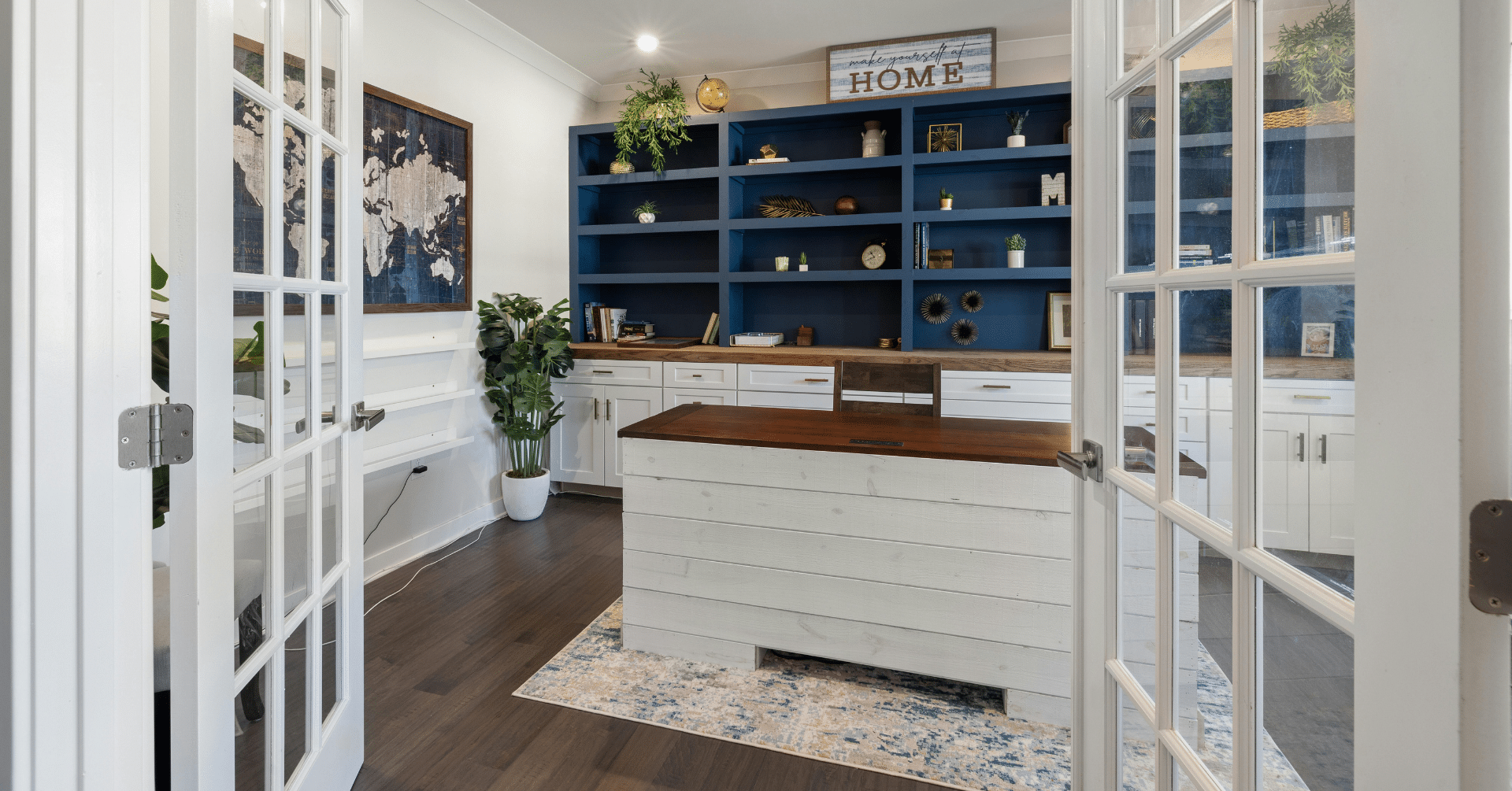
Working from home isn’t just a temporary shift anymore. For many homeowners across Central Pennsylvania, it’s part of everyday life.
But not every home was designed with a dedicated workspace in mind.
Kitchen tables, spare corners, and makeshift setups may have worked at first—but over time, they can lead to distractions, discomfort, and lower productivity.
That’s where a well-planned home office renovation comes in.
With the right layout, flooring, storage, and sound control, you can create a space that not only looks great—but actually helps you get more done.
Why a Dedicated Home Office Matters
A thoughtfully designed home office does more than give you a place to work. It creates structure in your day and helps separate work from home life.
Benefits include:
- Fewer distractions
- Better focus and productivity
- Improved comfort for long workdays
- A more professional setup for virtual meetings
According to the American Institute of Architects, demand for home office spaces has steadily increased as remote and hybrid work continues to grow.
Start With the Right Location and Layout
Before choosing finishes or furniture, start with where your office will live.
Common Home Office Locations
- Spare bedroom
Offers privacy and space for a full setup. - Finished basement
Great for separation from the main living area. - Bonus room or attic space
Can be transformed into a quiet, dedicated workspace. - Defined corner of a larger room
Works well with built-ins or partial dividers.
Layout Tips That Make a Difference
- Position your desk near natural light when possible
- Keep frequently used items within reach
- Allow enough space for movement and comfort
- Plan for outlets, charging stations, and tech needs
A good layout sets the foundation for everything else.
Flooring Choices That Support Productivity
Flooring plays a bigger role in a home office than most people expect. It affects comfort, noise levels, and overall feel.
Best Flooring Options for Home Offices
- Luxury vinyl plank (LVP)
Durable, low-maintenance, and great for high-traffic homes with pets or kids. - Hardwood flooring
A clean, professional look that works well in visible or client-facing spaces. - Low-pile carpet or carpet tiles
Helps absorb sound and adds comfort underfoot—ideal for long hours at a desk.
What to Look For
- Easy maintenance
- Scratch resistance (especially with rolling chairs)
- Noise reduction
- Comfort for standing or walking
Built-Ins and Storage That Keep You Organized
Clutter is one of the biggest productivity killers. Built-in storage helps keep everything in its place while giving your office a finished, custom look.
Smart Storage Ideas
- Wall-to-wall shelving
Keeps books, files, and décor organized without taking up floor space. - Built-in desks
Maximizes smaller rooms and creates a clean, seamless design. - Closed cabinetry
Hides paperwork and supplies for a more polished look. - Floating shelves
Adds storage without making the space feel heavy.
Why Built-Ins Work
They’re designed specifically for your space, which means:
- Better use of square footage
- Less visual clutter
- A more intentional, professional feel
Soundproofing and Noise Control
Working from home often means dealing with everyday household noise—kids, pets, TVs, or even outdoor sounds.
Improving acoustics can make a big difference in focus and meeting quality.
Practical Sound Control Options
- Area rugs or carpet to absorb sound
- Acoustic wall panels or soft wall coverings
- Solid-core doors for better sound separation
- Weatherstripping around doors to reduce gaps
Even small upgrades can noticeably reduce distractions.
Lighting That Works for You
Lighting is often overlooked—but it directly impacts productivity and comfort.
A Balanced Lighting Approach
- Natural light
Boosts mood and reduces eye strain. - Task lighting
Desk lamps or under-shelf lighting for focused work. - Ambient lighting
Overhead lighting to evenly brighten the space.
Avoid harsh shadows or overly dim areas. A well-lit space helps you stay focused longer.
Design That Feels Like Part of Your Home
Your office shouldn’t feel disconnected from the rest of your house.
Choose finishes and colors that tie into your overall design:
- Coordinate flooring with nearby rooms
- Use consistent trim, paint colors, or hardware
- Add personal touches without overcrowding the space
A cohesive look helps your office feel like a natural extension of your home—not an afterthought.
Budget-Friendly Ways to Upgrade Your Office
You don’t need a full renovation to improve your workspace.
Start with:
- Upgrading flooring in your current office area
- Adding shelving or simple built-ins
- Improving lighting
- Rearranging your layout for better flow
Small changes can make a noticeable difference in how your space functions.
Final Thoughts: A Space That Works as Hard as You Do
A well-designed home office isn’t just about appearance—it’s about creating a space that supports your daily routine.
With the right combination of layout, flooring, storage, and sound control, you can turn almost any area into a productive workspace.
For homeowners in Central PA, these upgrades are practical, achievable, and worth the investment.